DHI Hair Transplant
DHI Hair Transplant
Hair loss affects not only appearance, but also self-confidence. DHI Hair Transplant Technique provides precise hair follicle transplantation and natural results. This is making it one of the most advanced hair restoration techniques today.
People suffering from hair loss, often compares DHI vs FUE Hair Transplant for better and natural results. The answer depends on several factors: the type of hair loss, the quality of donor hair, long-term goals.
Although DHI hair transplants are a great option for many patients, there is no best hair transplant method that is common to everyone. The ideal solution depends on meticulous surgical planning, individual characteristics, and the professionalism of the medical staff performing the procedure.
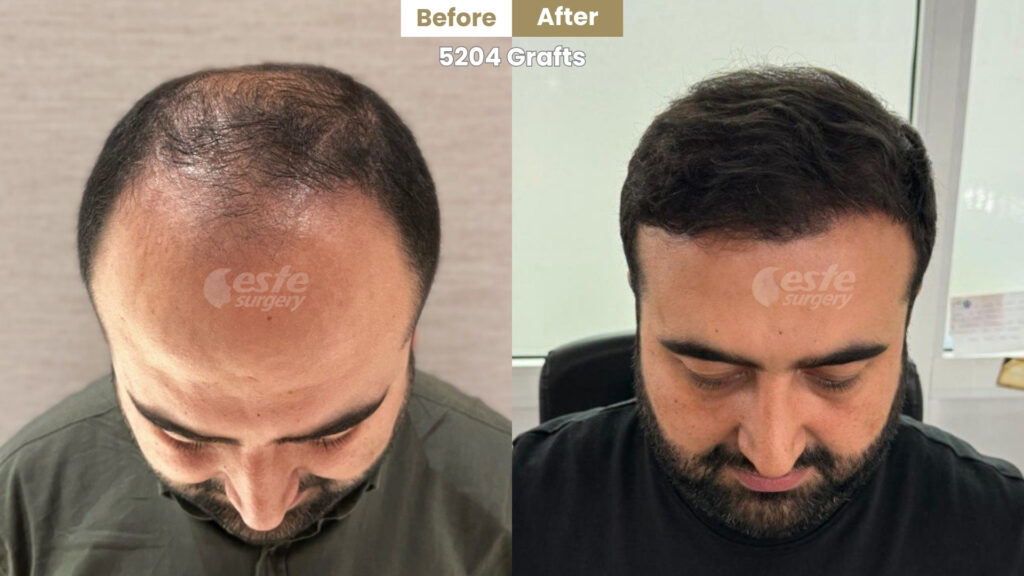
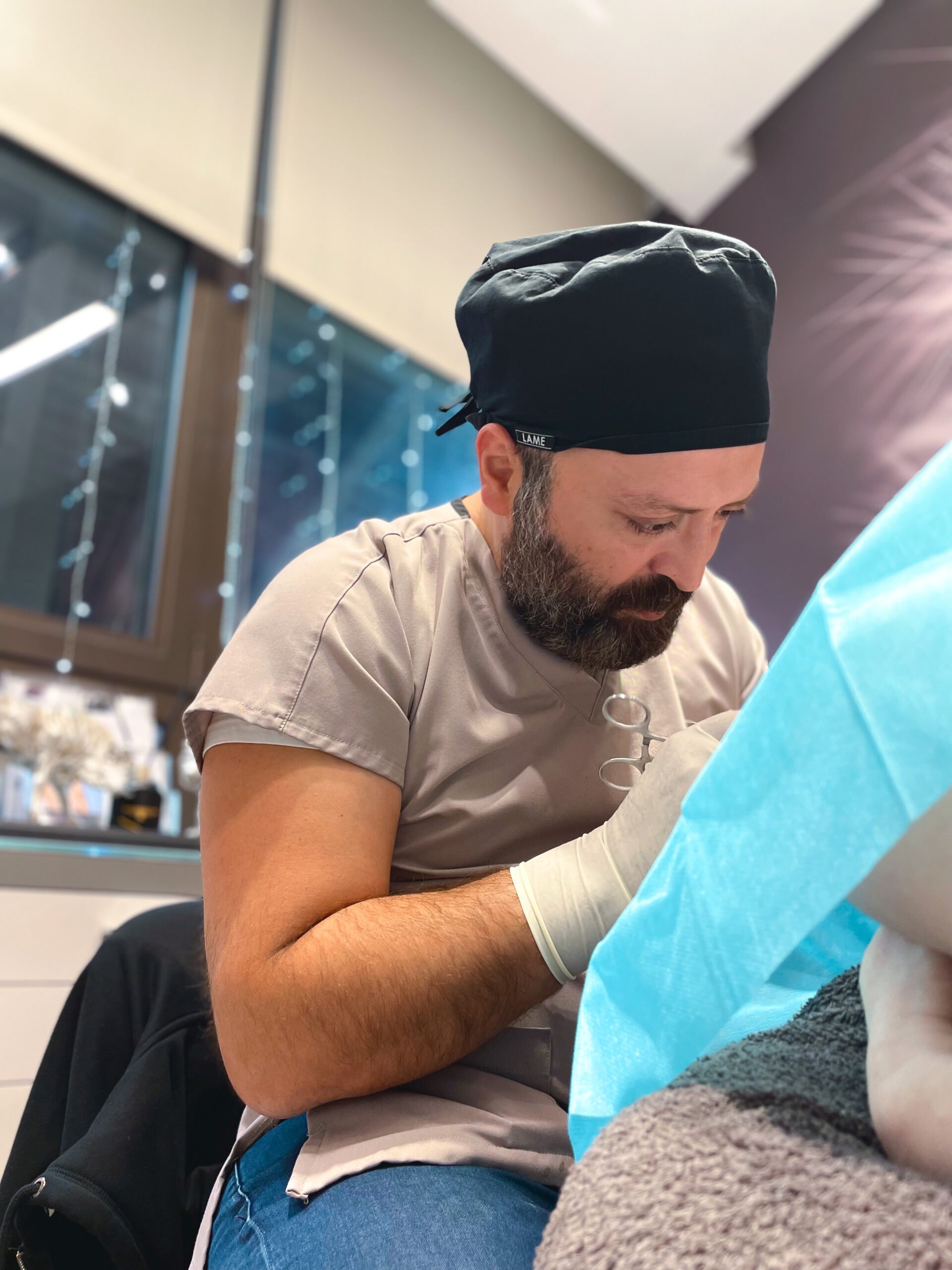
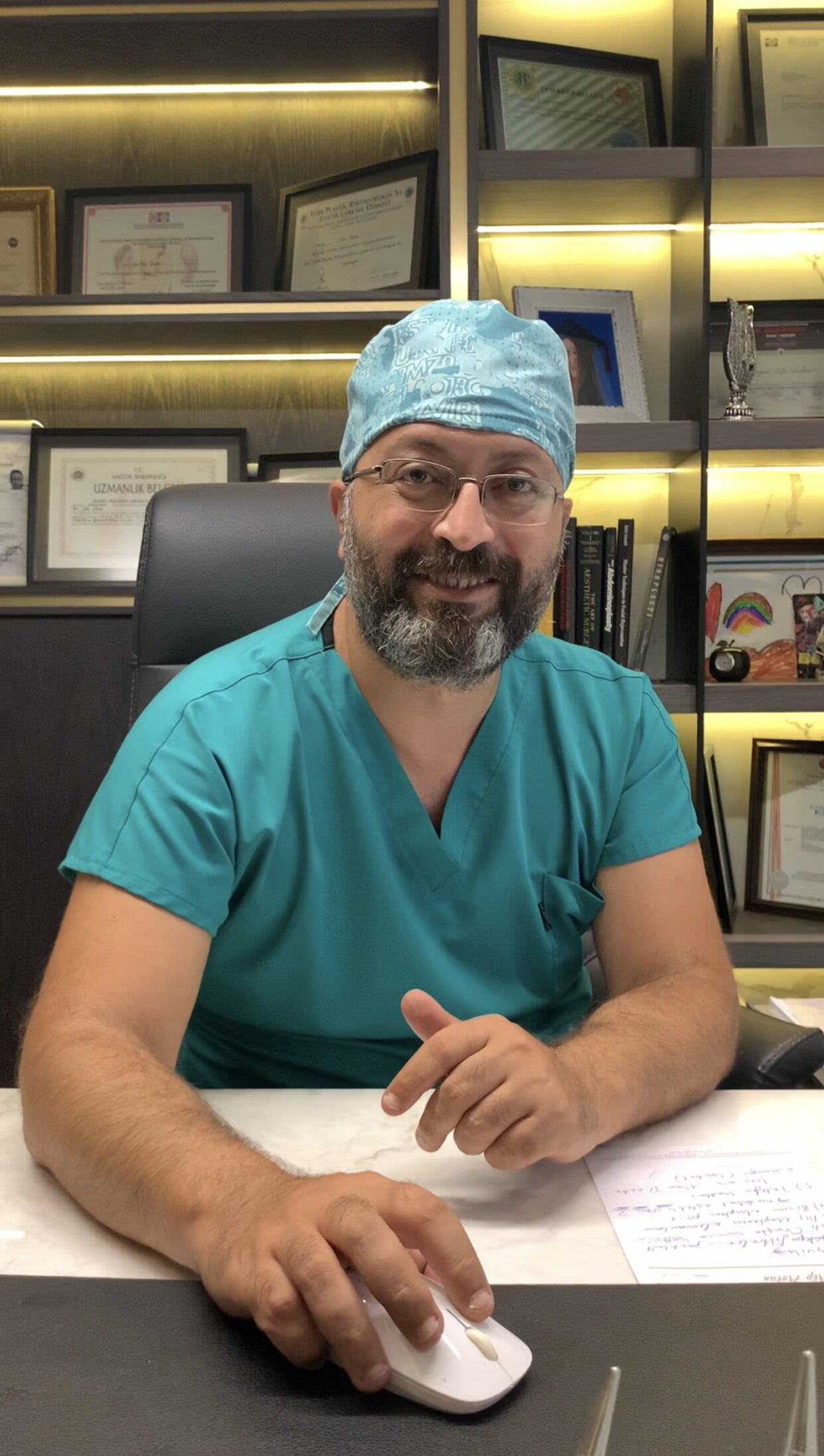
At Este Surgery, we believe that successful hair transplants begin with choosing the right treatment and suitable technique. We never promote a specific technique. Our plastic surgeon Dr. Alp ASLAN gives a customized assessment to determine the most appropriate approach to each patient.
What is DHI Hair Transplant and to Whom It Fits Better?
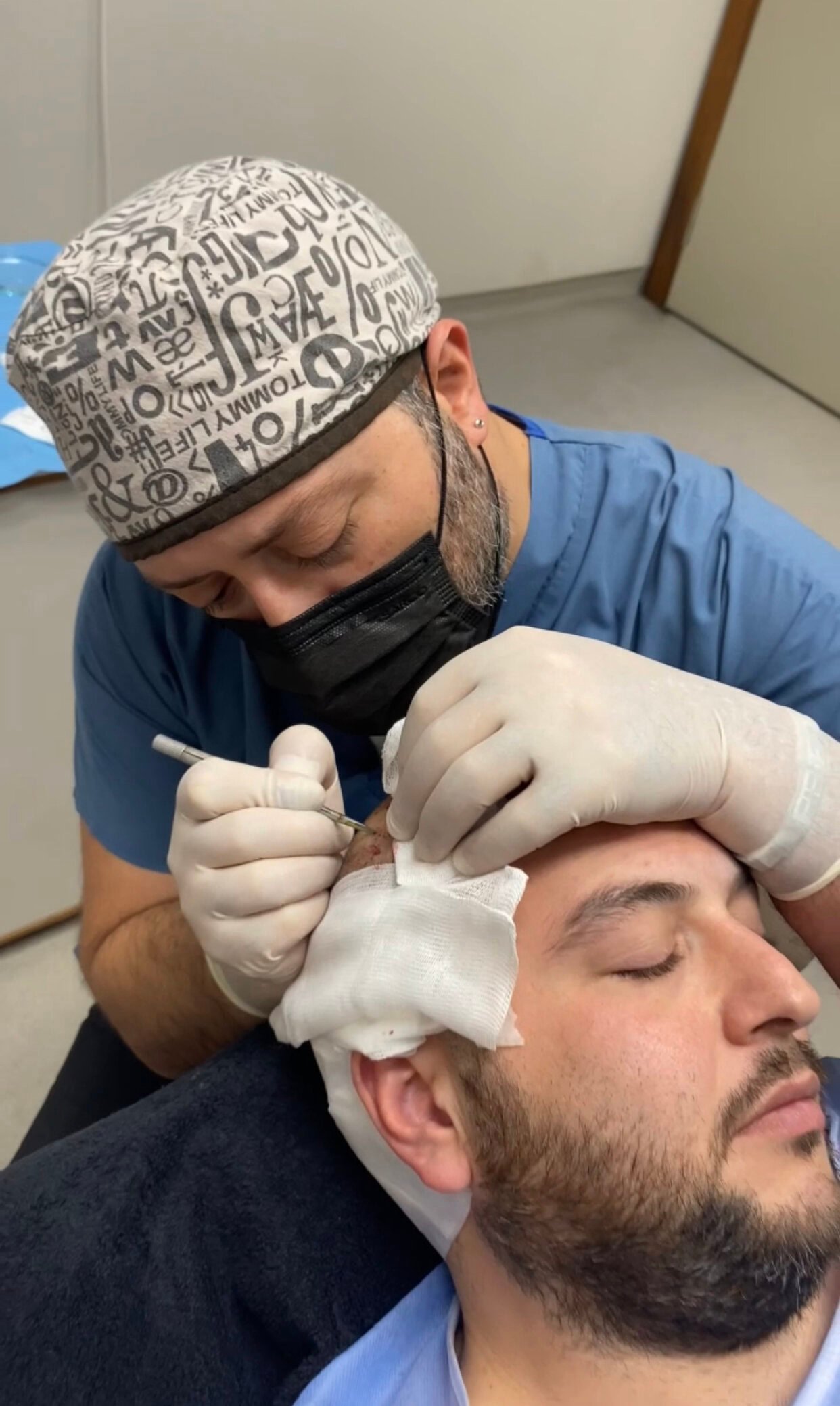
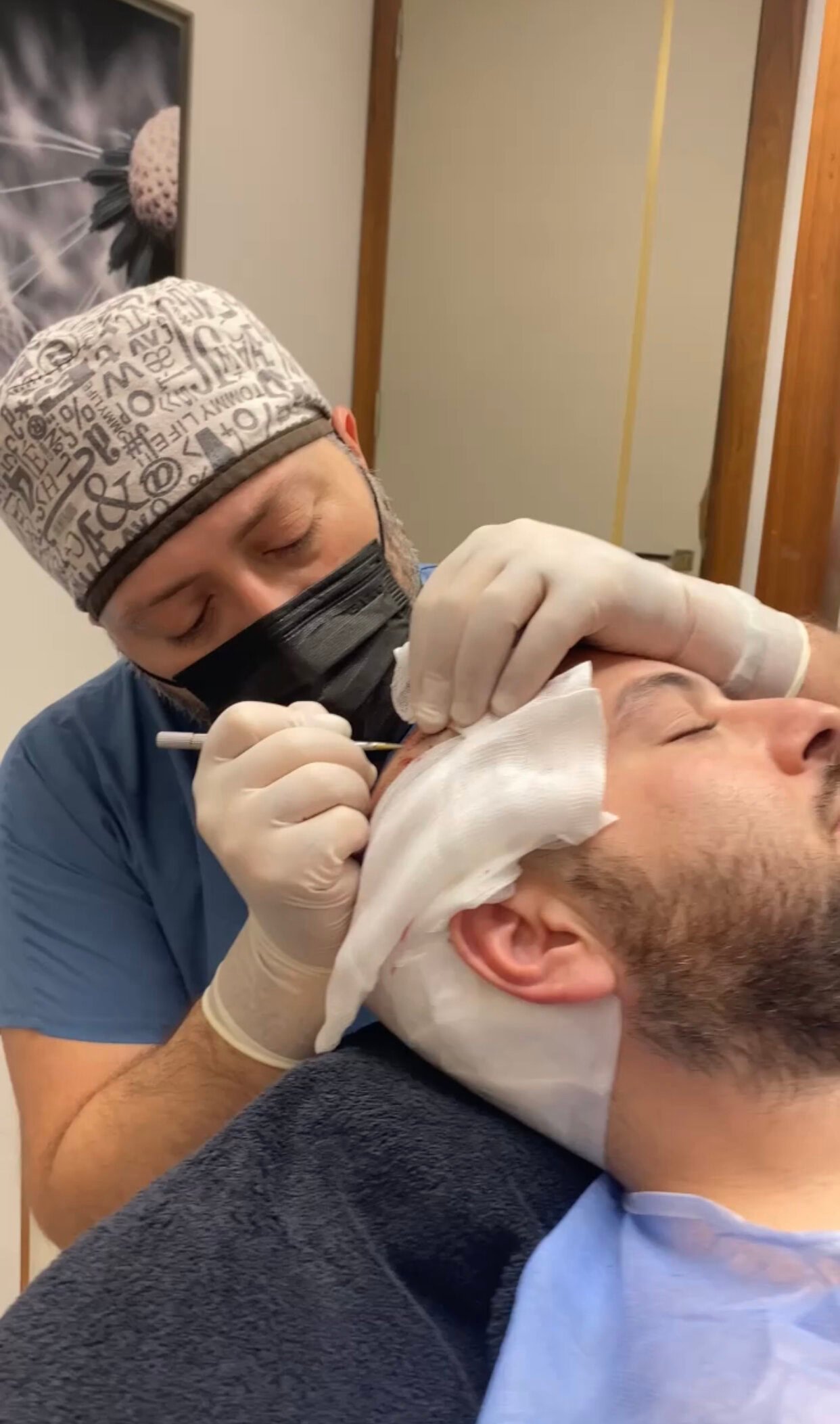
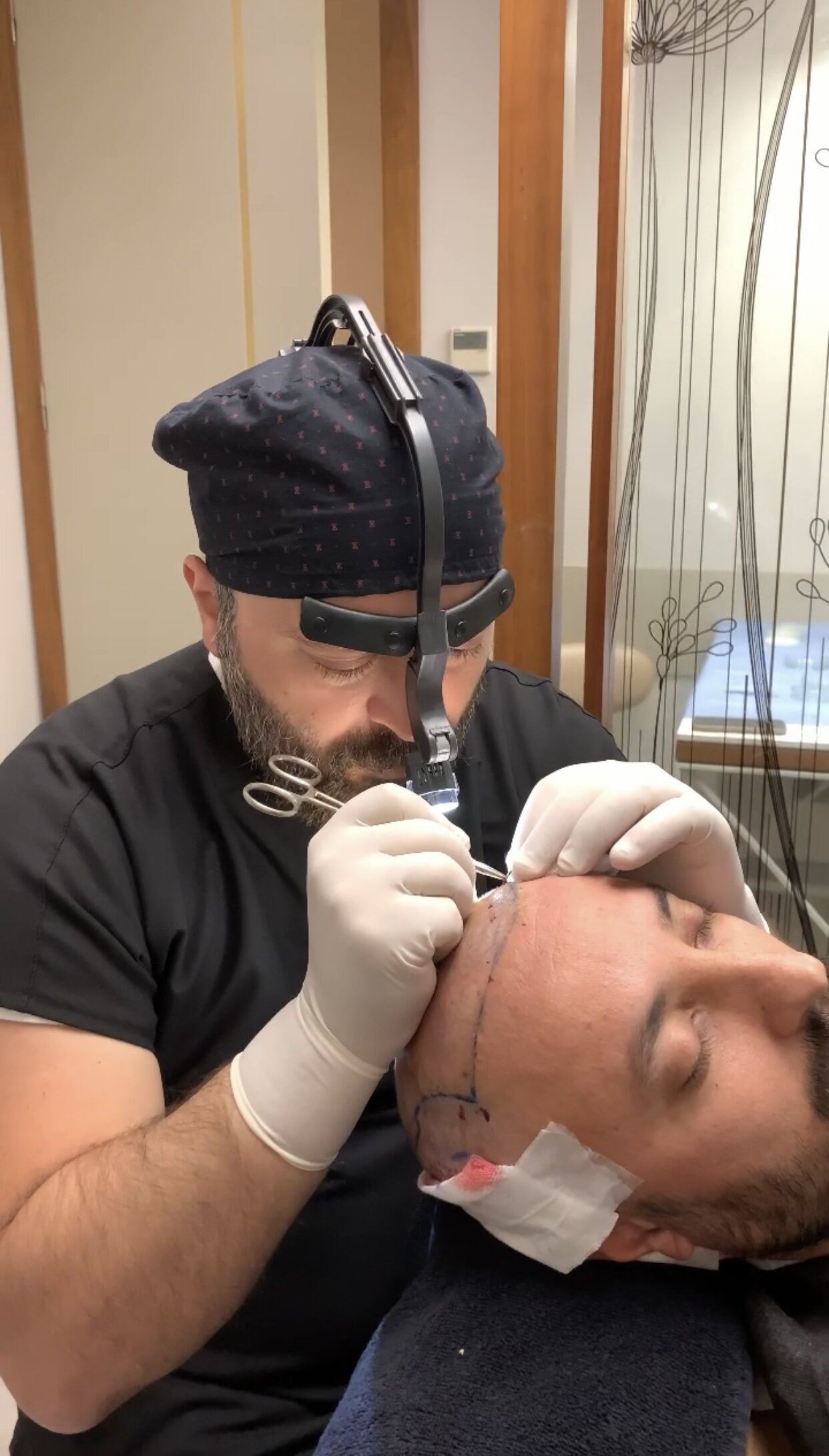
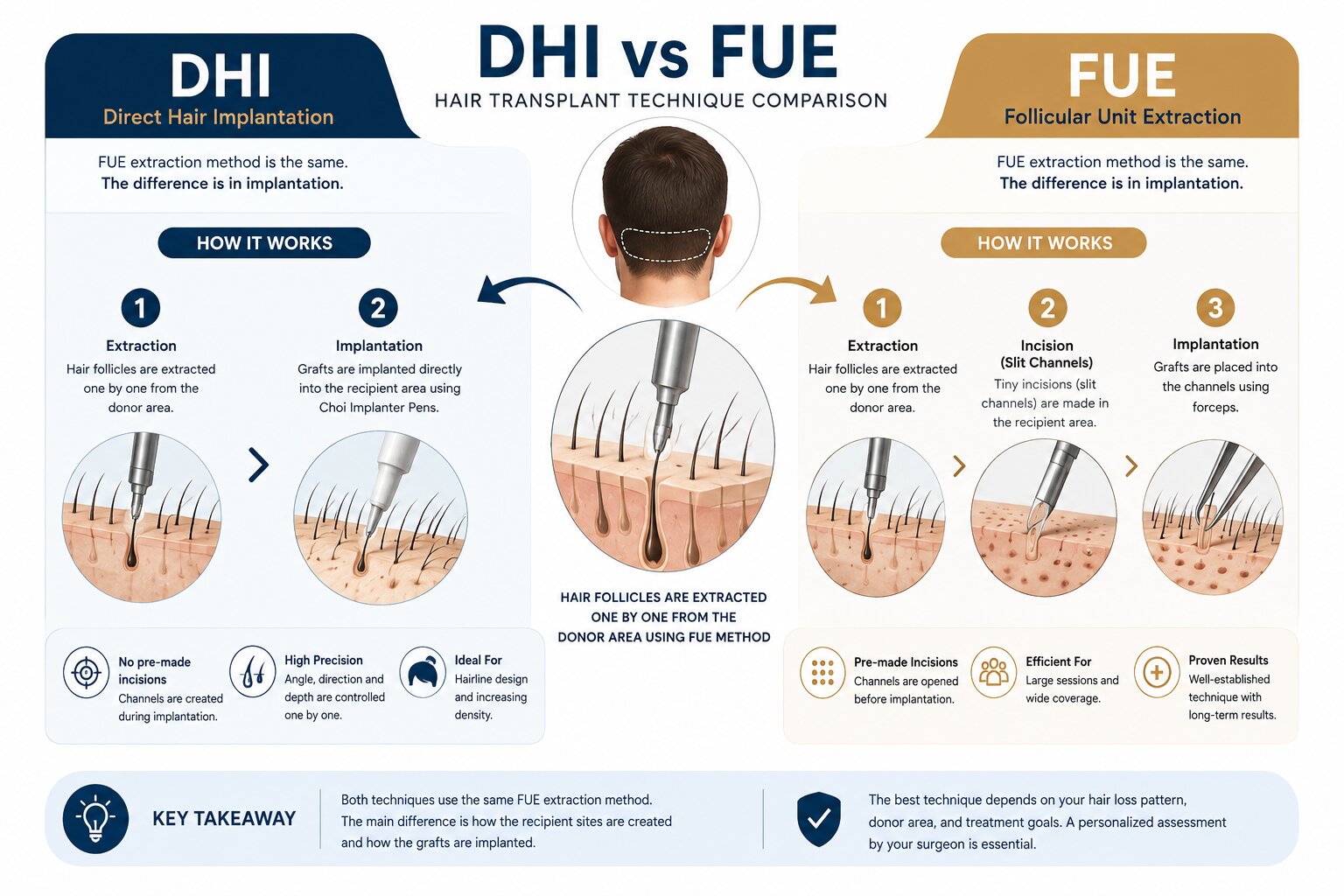
DHI Hair Transplantation is an advanced hair transplantation technique based on the Follicular Unit Extraction (FUE Technique). In DHI method, we are extracting individual healthy hair follicles from the donor area as in conventional FUE. The extraction method is same for DHI and FUE. The difference is how we implant hair grafts to the receiving areas.
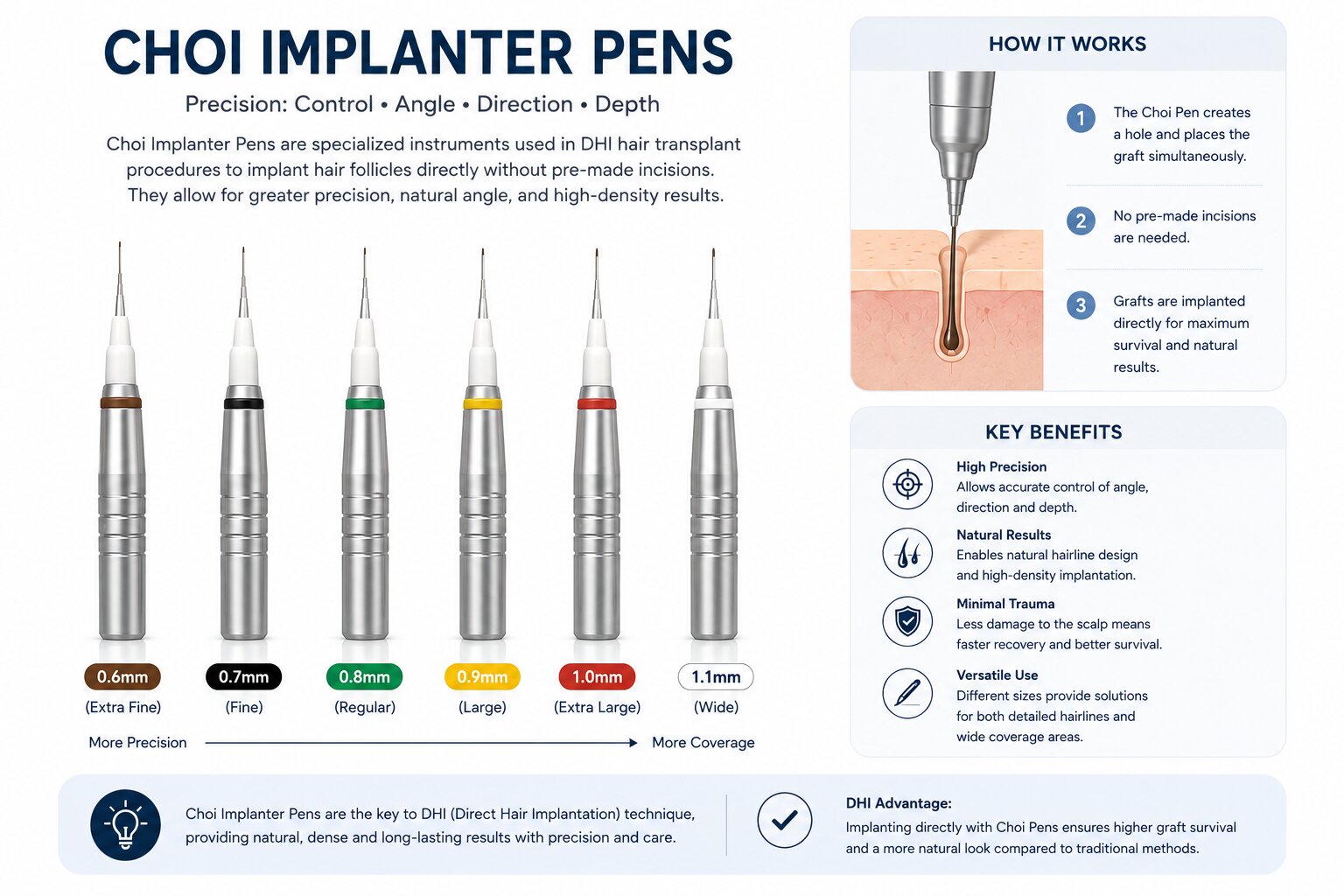
The surgeon makes tiny incisions in FUE to implant the hair grafts into. However, there is no need for these slit channels in DHI technique. DHI uses a special surgical instrument known as Choi Implanter Pen. This allows the doctor to adjust the angle, depth, and direction of each hair graft and then implant them easily.
DHI is generally more suitable for the following patients:
- who needs restoring a prominent area such as forehead hairline
- who needs increasing the density in crown or top
- who does not want to shave the hair completely before the hair transplant.
DHI is popular among the patients nowadays. However, it is important to understand that there is no single method that is ideal for all patients. The best way to choose the right technique depends on the patient, the surgical plan, and the team’s experience.
DHI Hair Transplant Cost
Patients doing research on techniques and comparing each other, often ask the cost of DHI Hair Transplant and other details. DHI Hair Transplant Cost is starting from 2200 Euros. However, this is not the final price.
The final cost of DHI depends on several factors like;
- the number of grafts required,
- norwood scale of the patient (hair loss degree)
- the surgeon’s experience,
- ingredients of the package.
For this reason, the most accurate way to receive a quotation is through a personalised consultation.
Please visit our Hair Transplant Cost in Turkey page to learn more about average costs in different countries. It also explains what hair transplant packages include.
Is DHI More Expensive than FUE?
In many clinics, hair restoration with DHI can be slightly more expensive than conventional FUE procedures. Because, DHI transplantation requires Choi implanter pens and these pens are disposable. Another factor is that procedure takes longer time with DHI technique.
At Este Surgery, Sapphire FUE Hair Transplant is starting from 2000 Euros while DHI is starting from 2200 Euros.
However, when choosing a hair transplant technique, the cost should not be an absolute factor. Some patients get better results with DHI, while others may be more suitable for FUE or sapphire FUE.
Plastic surgeon Dr. Alp ASLAN recommends the best technique based on a medical evaluation, not just cost.
How Does DHI Hair Transplant Work?
The DHI technique follows a carefully planned process to maximize the survival of transplanted hair and achieve natural results. Let’s have a look at the steps of this process.
Personalized Consultation and Analyze of Hair
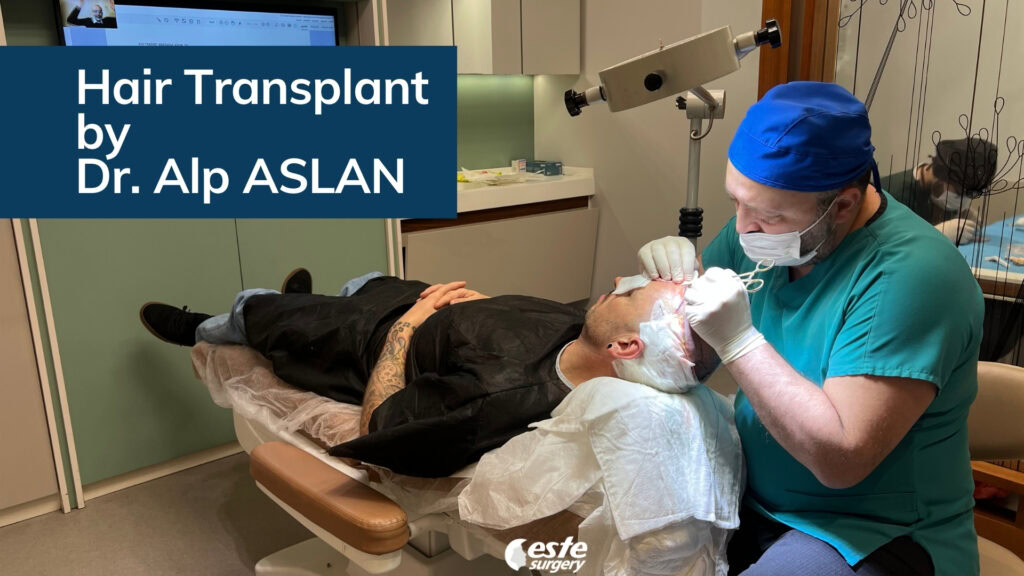
All successful hair transplants begin with a detailed consultation. At this stage, our plastic surgeon, Dr. Alp ASLAN, will assess your hair loss.
He checks your donor hair quality and scalp condition. He also reviews how your hair loss may progress in the future.
This evaluation allows us to determine whether DHI or FUE Hair Transplant would be better in each case. We need to say that in some cases, technique does not matter at all.
Extraction of Hair Follicles
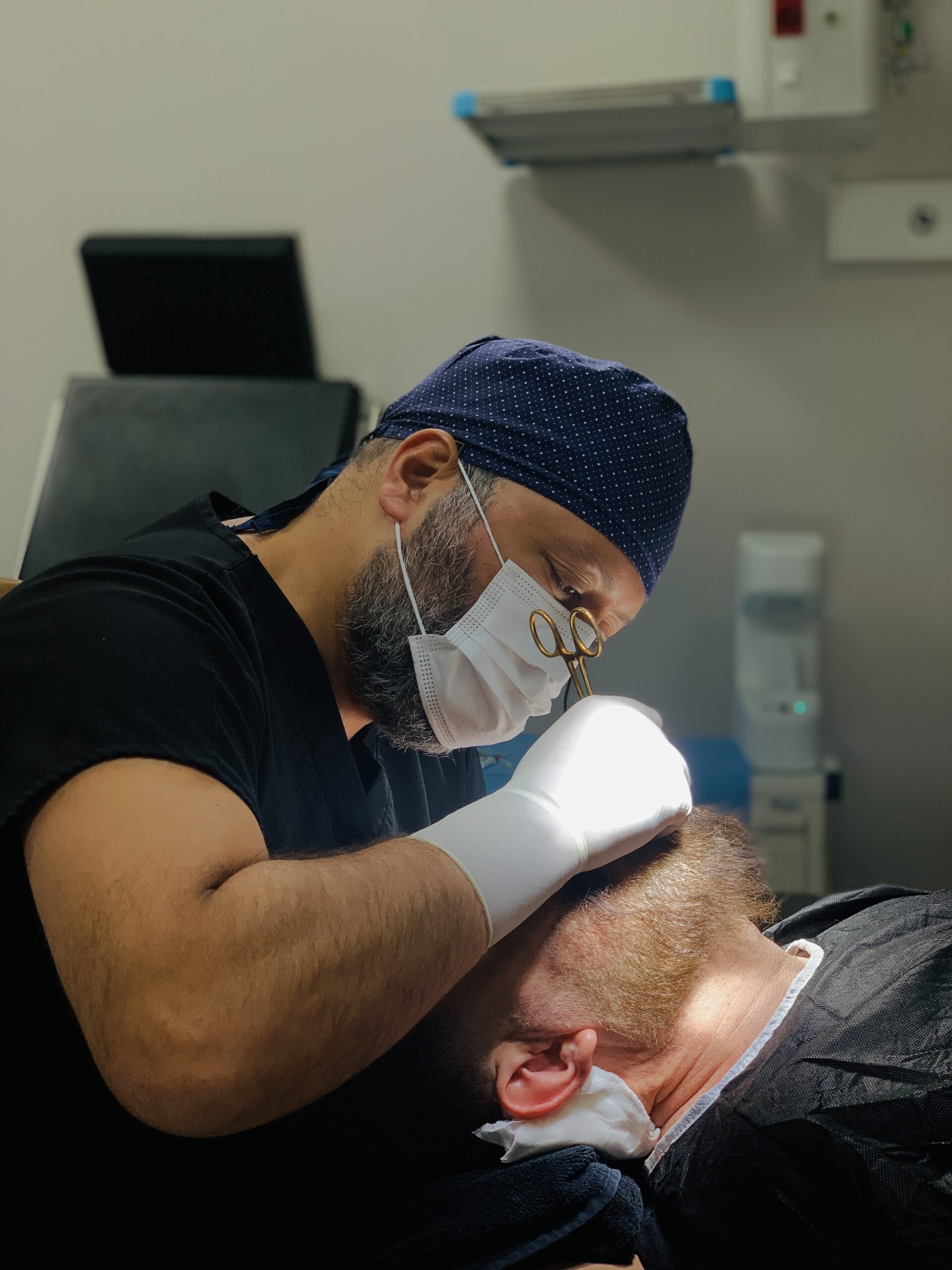
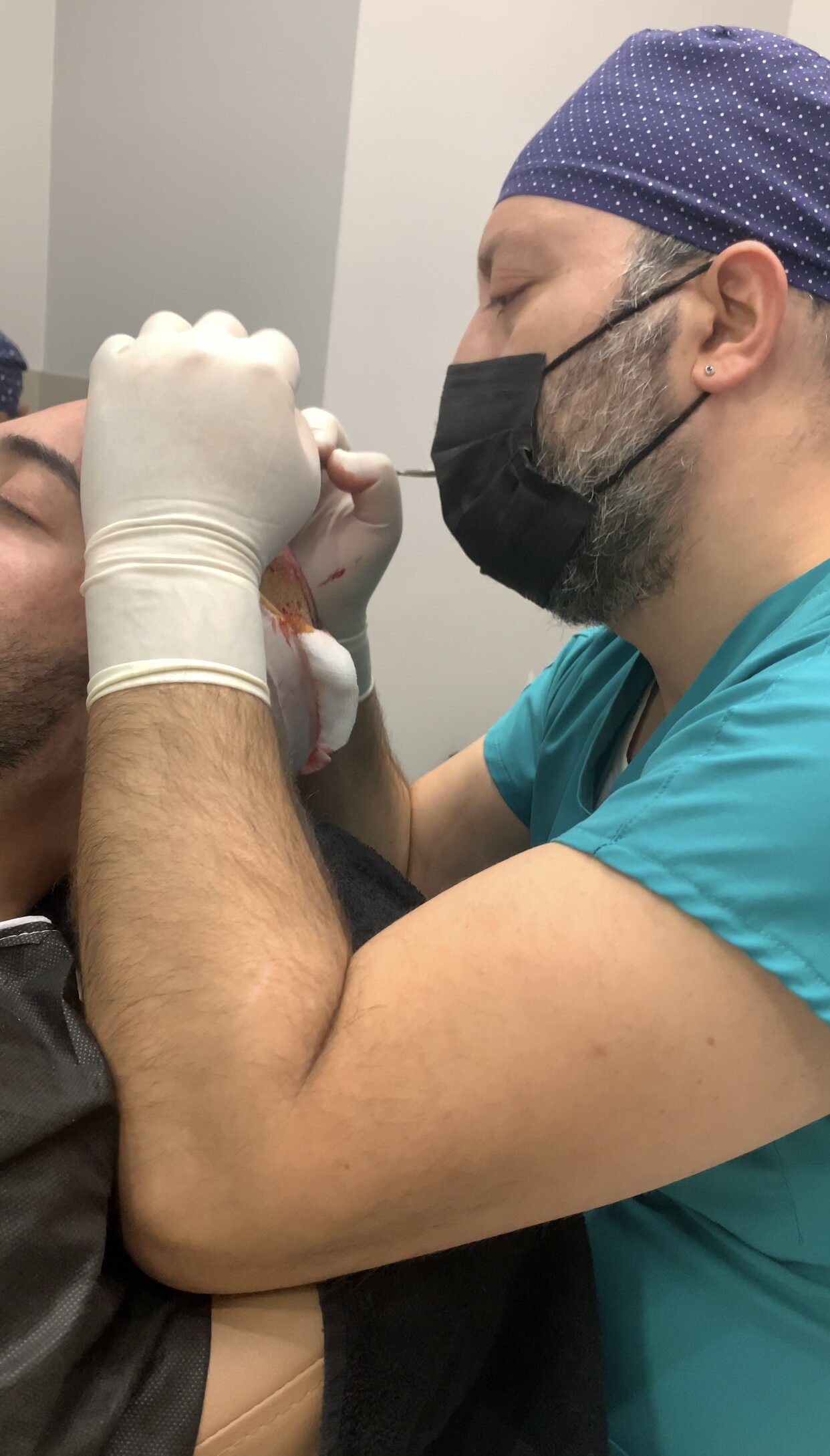
Once the treatment plan is established, we start the surgery after making the necessary blood tests etc. After local anesthesia, we begin extracting hair grafts one by one from the donor area.
We use FUE micro-punches to extract the hair grafts with minimum damage.
This procedure does not leave linear scars since we extract each hair follicle one by one. Donor area also heals naturally and faster. We always pay serious attention to keep the hair grafts alive and not to damage them at the extraction stage.
Implanting Stage in DHI Hair Transplant
After extraction, we load each hair graft into a Choi Implanter pen. We then implant it directly into the recipient area.
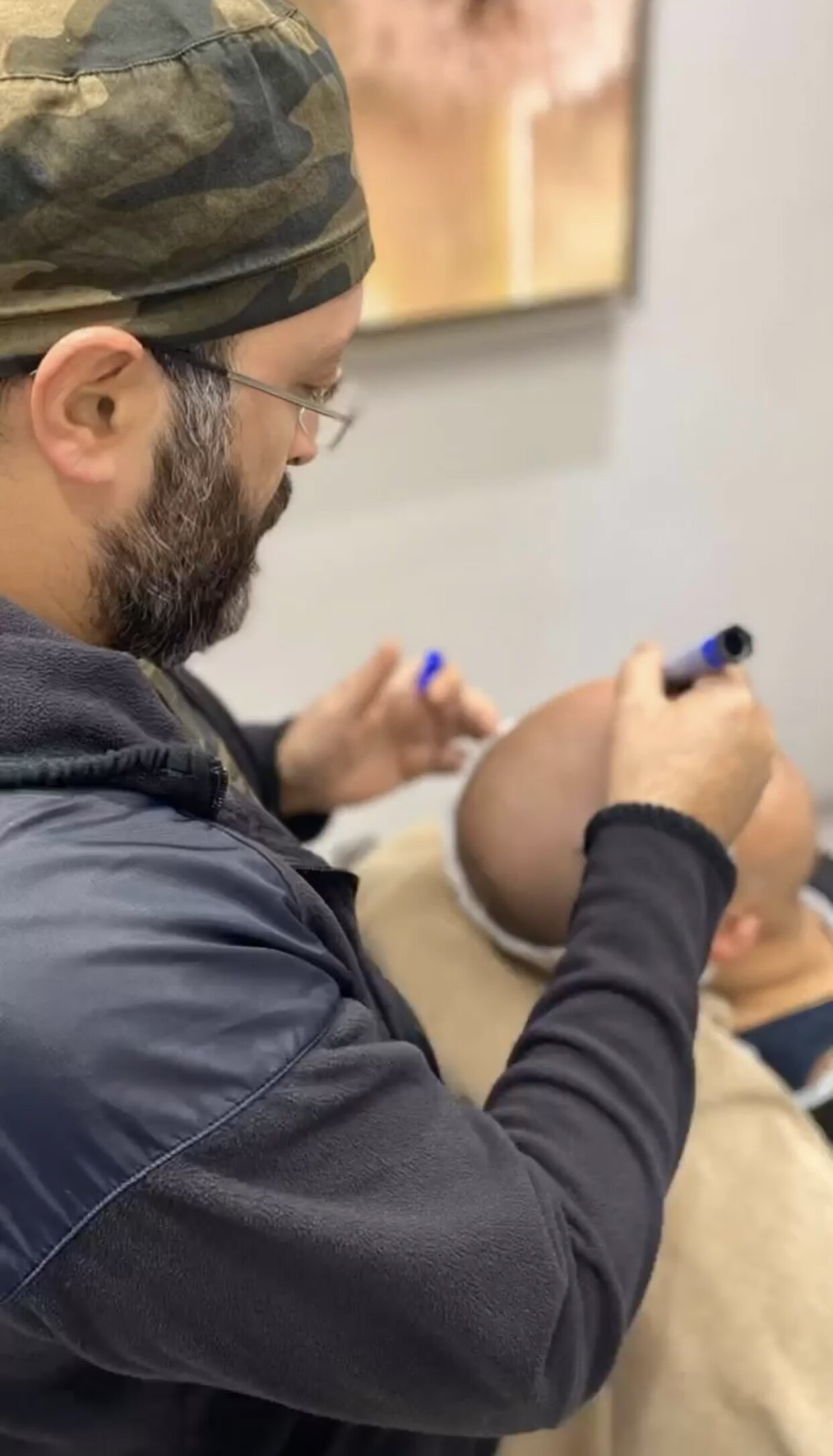
Surgeons can precisely adjust the transplant angle, depth, and direction for each hair with DHI Technique. This precision helps us create a smoother hairline. It also increases density in the target area. It matches the patient’s natural hair.
In Direct Hair Implantation, channel formation and implantation occur simultaneously. This procedure minimizes unnecessary handling of the hair grafts. Hair grafts are living tissues. After the extraction, the less we touch them, the higher survival rates we get.
Benefits of DHI Hair Transplantation
Direct Hair Implantation (DHI) offers several important benefits to carefully selected patients. Let’s have a quick look at these benefits:
Natural Hairline Design
Thanks to the precise control of the Choi Implanter Pen, we match the hair’s natural direction and angle while implanting them. This creates a smoother and more realistic hairline.
High Implantation Precision
By transplanting each hair follicle unit on its own, the surgical team can better control hair density and placement. This is especially true in key cosmetic areas.
Minimize Tissue Damage
The surgeon creates the recipient sites during implantation, not before. This may reduce tissue trauma and support a smoother recovery.
Fast Recovery
DHI is a minimally invasive hair transplant technique. Most patients experience only mild redness and temporary sensitivity after the procedure with DHI. Patients can return to daily life relatively quickly by following recommended post-treatment guidelines.
Suitable for Topical Hair Restoration
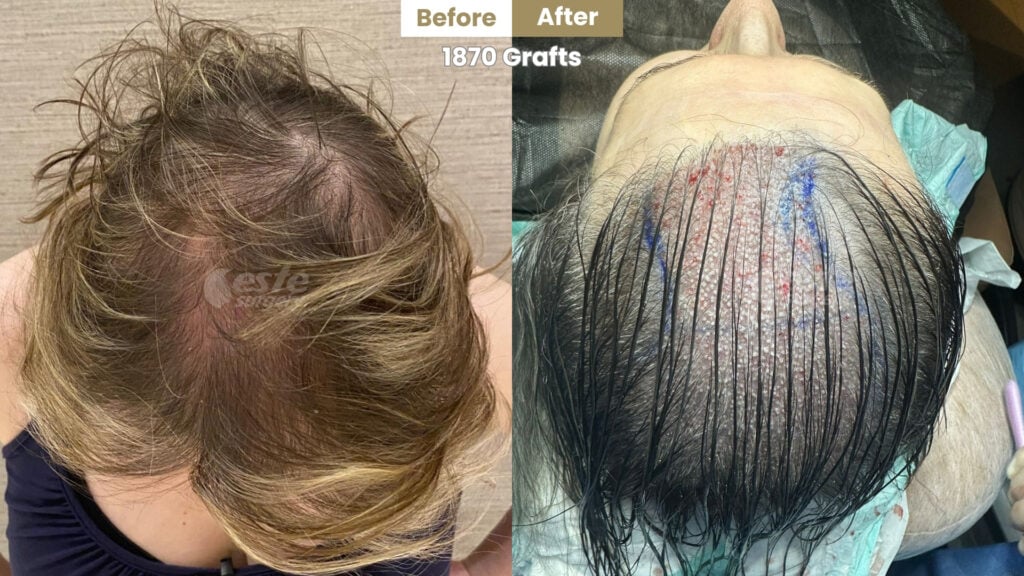
DHI is often recommended for patients with marked thinning, although existing hair remains, not complete hair loss. Precise grafting techniques let surgeons place new grafts between existing hairs. This helps increase density in thin areas while preserving surrounding hair.
For this reason, DHI is especially suitable for patients with systemic hair loss. It is also an excellent technique in female hair transplants for thinning hair, not complete baldness.
DHI vs. FUE Hair Transplant
One of the most frequently asked questions from patients is the comparison of DHI vs FUE hair transplant techniques. In fact, both techniques are effective and based on the same principles.
Both procedures use FUE (Follicular Unit Extraction) techniques to extract healthy hair follicles one by one. The main difference is how we implant hair grafts to the receiving site.
| Feature | Sapphire FUE | DHI | SDHI |
| Extraction | FUE | FUE | FUE |
| Channel Creation | Sapphire Blade | During implantation | Sapphire Blade |
| Graft Placement | Forceps | Choi Pen | Implanter Pen |
| Ideal For | Large transplant areas | Hairline & density | Precision with pre-planned channels |
| Recovery | Similar | Similar | Similar |
Note: All three techniques use the same FUE extraction method. The main differences lie in how the recipient sites are created and how the grafts are implanted.
What is The Difference Between DHI and FUE?
In the case of traditional FUE, the doctor first creates a fine graft site, and then places the graft one by one. For DHI hair transplant, the procedure uses the Choi Implanter Pen. It lets the doctor adjust each graft’s angle, direction, and depth during the transplant.
Which Technique Provides Higher Density?
Many people think that DHI automatically produces better results, but that’s not always the case.
The quality of hair transplantation depends on several factors:
- the experience of the doctor,
- the quality of donor hair,
- the treatment plan,
- patient’s hair loss pattern
A well performed FUE procedure can also achieve excellent results just as a professionally performed DHI procedure.
Recovery and Healing
We often choose DHI for patients who need precise graft placement, particularly when designing the hairline. If the patient has a wide hairless area and needs many hair grafts, we usually prefer FUE or Sapphire FUE Hair Transplant.
Recovery and Healing Process is almost same for both techniques.
What Technique Should I Choose?
Rather than asking which technique is better, ask which technique suits your personal situation. Only an experienced surgeon can decide this after reviewing photos of your hair loss pattern.
What is The Best Hair Transplant Method?
There is no single best hair transplant method commonly used for all patients. This is because each person has different levels of hair loss, donor area capacity, hair traits, and long-term goals.
For this reason, an experienced hair transplant specialist does not rely only on one technique. The surgeon at least has to check the photos of the patient. And then he/she can make a better decision on the technique.
Modern hair restoration involves a number of advanced transplant techniques, including DHI hair transplantation and Sapphire FUE. Both techniques have their own advantages. The right choice must be based on treatment goals rather than promotional marketing phrases.
That is why we always start with a detailed consultation prior to the surgery. Dr. Alp Aslan directly himself carries out all the face to face consultation with the patients.
SDHI: The Advantages of Sapphire FUE and DHI in One Procedure
At Este Surgery, we understand that every patient’s needs are different. Therefore, we always create the treatment plan after checking the patient’s hair loss pattern. We also check donor capacity and the desired hair density.
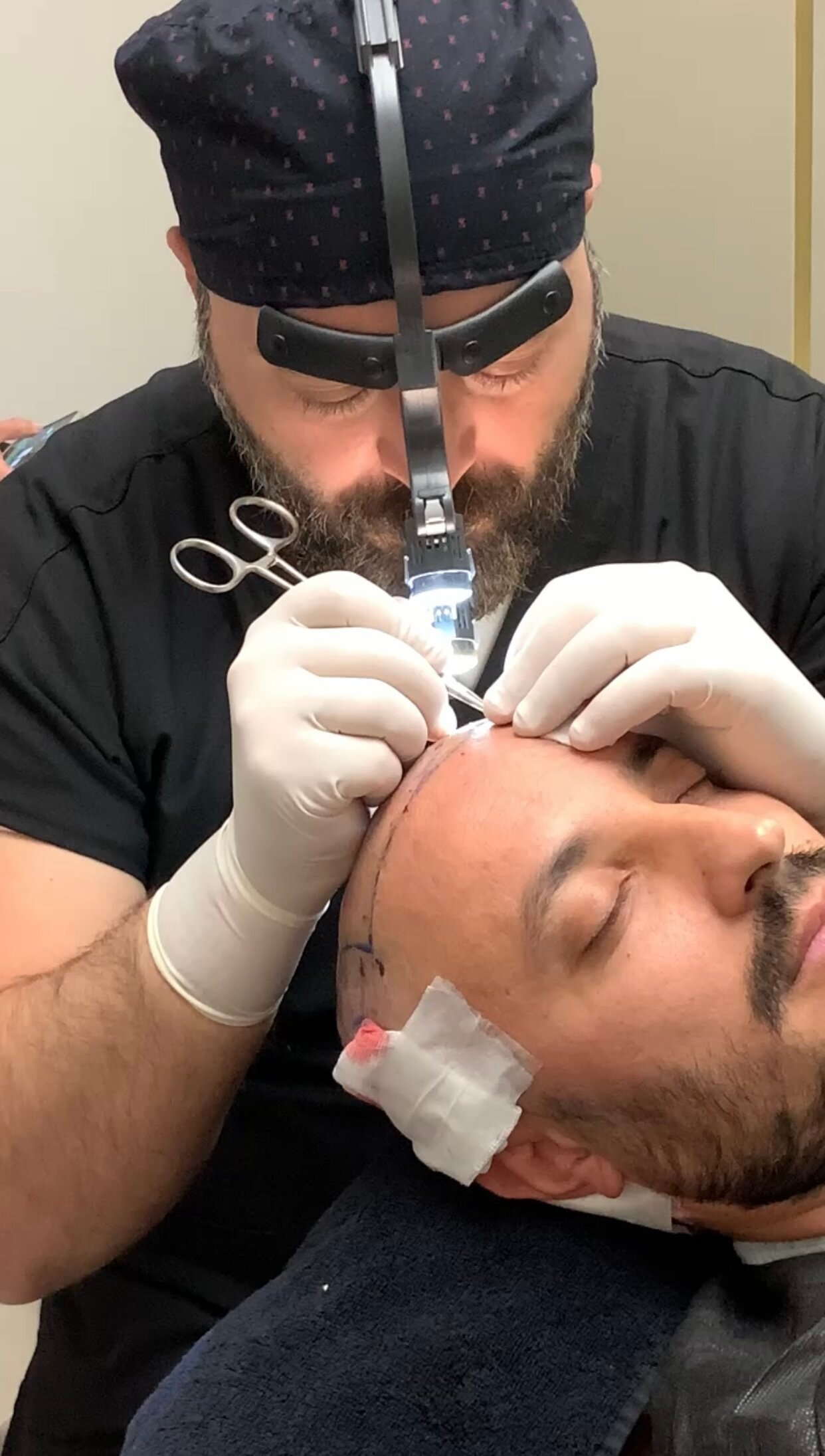
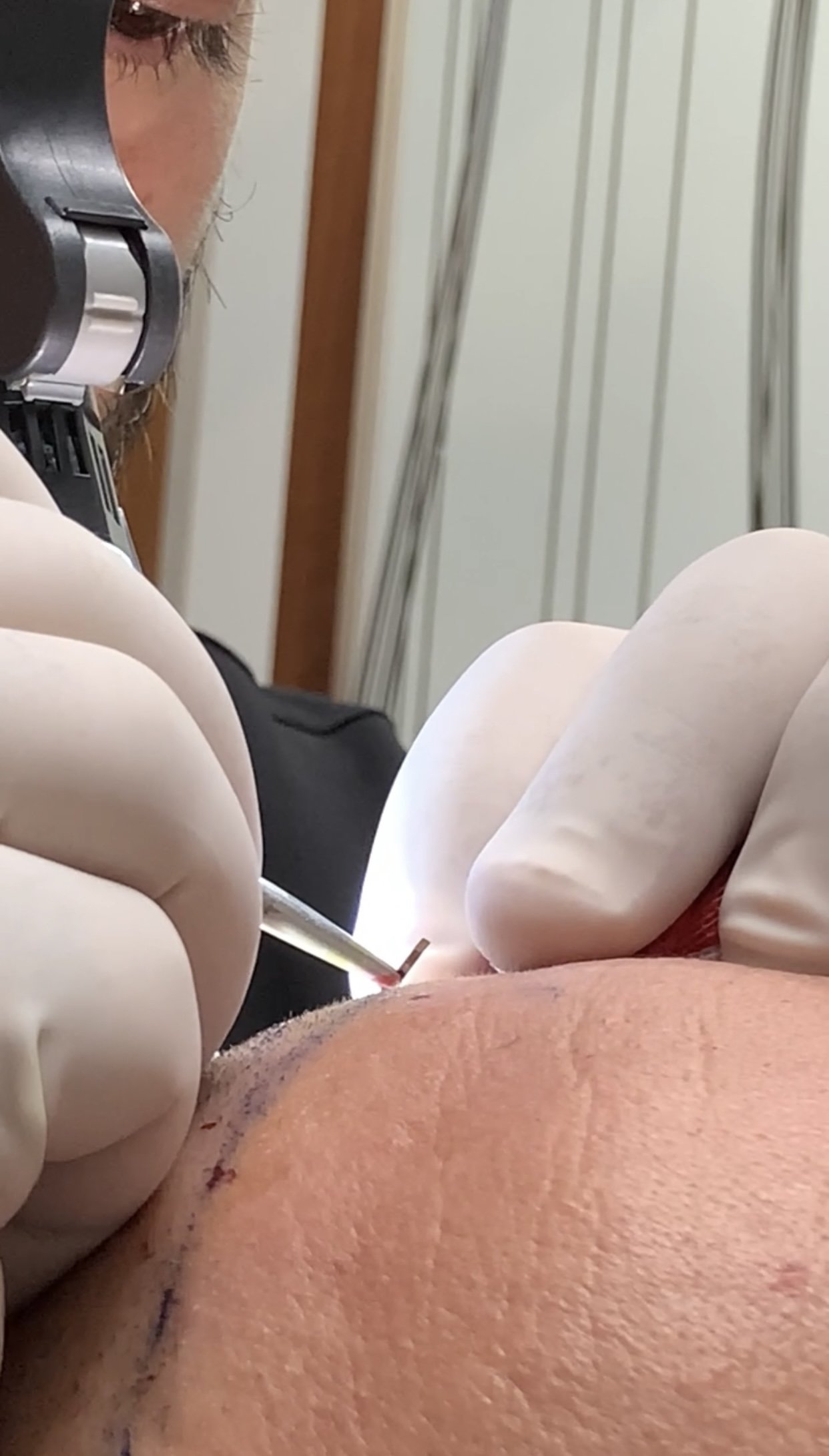
SDHI Hair Transplant (Sapphire Direct Hair Implantation) is the latest hair transplant method. It combines sapphire channel-opening technology with pen-assisted implantation. First, the plastic surgeon uses the sapphire blade to create all slit channels through the same channel opening steps used in the sapphire FUE.
After preparing all channels we implant the hair grafts by using latest technology SDHI implanter pens instead of forceps. Unlike standard DHI, this pen does not perform the process of creating channels and inserting grafts at once.
This approach allows our team to precisely control hairline design, graft orientation, and density during the channel formation phase. And the graft pen supports the correct placement of the graft during the transplant process.
Recovery and Results
Hair Transplant Recovery process is actually almost same for any techniques. Let’s have a look at what is expected in the post operation term after a DHI Hair Transplant.
| Recovery Stage | What Happens? |
| Days 1–7 | Mild redness and small scabs are expected as the scalp begins to heal. |
| Week 2 | Most visible signs of the procedure have disappeared. |
| Months 2–3 | Temporary shedding may occur before new growth begins. |
| Months 6–12 | Hair gradually thickens and the final result becomes visible. |
Recovery Period
The recovery process after the DHI procedure is generally comfortable if the patient carefully follows the postoperative precautions provided by the medical staff.
In the first few days after the procedure, mild redness or slight swelling may appear. However, this is a normal phenomenon and usually subsides quickly. Fine scabs begin to disappear within the first week after the procedure.
As part of the normal healing process, newly transplanted hair may temporarily fall out in subsequent weeks. This is also completely normal and expected.
When Can I See the Final Result?
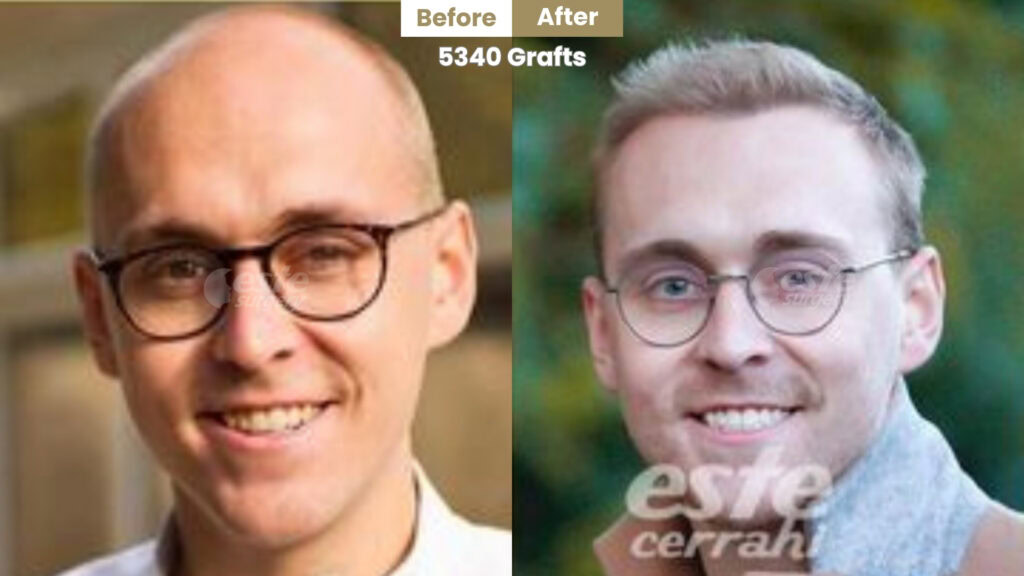
Noticeable new hair growth usually begins around 3-4 months, and over time, hair density noticeably improves. Most patients can see the final result 12 months after the procedure.
In some cases, it takes up to 14 months to see the transplanted hair grows completely and naturally blends with the surrounding hair.
Why You Should Choose Este Surgery?
There are hundreds of alternatives for hair transplant in Turkey. It is as important to choose the right clinic as it is to choose the right procedure.
Este Surgery plans all hair transplants to meet the needs of each patient rather than following standard protocols.
- Dr. Alp ASLAN is a plastic surgeon with over 20 years of experience. He makes the assessment on patient’s hair loss pattern, the donor condition, and facial proportions. He also reviews long-term expectations. Then, he suggests the best treatment plan for each patient.
- Dr. Alp Aslan makes the hairline design
- Dr. Alp Aslan performs the incision which is the most important stage of hair transplant.
- He takes care pf each patient directly himself and takes the whole responsibility.
- We do not have any hidden costs. Everything is transparent and shared with patient prior to the surgery.
- We are offering premium health services and we are a licensed clinic.
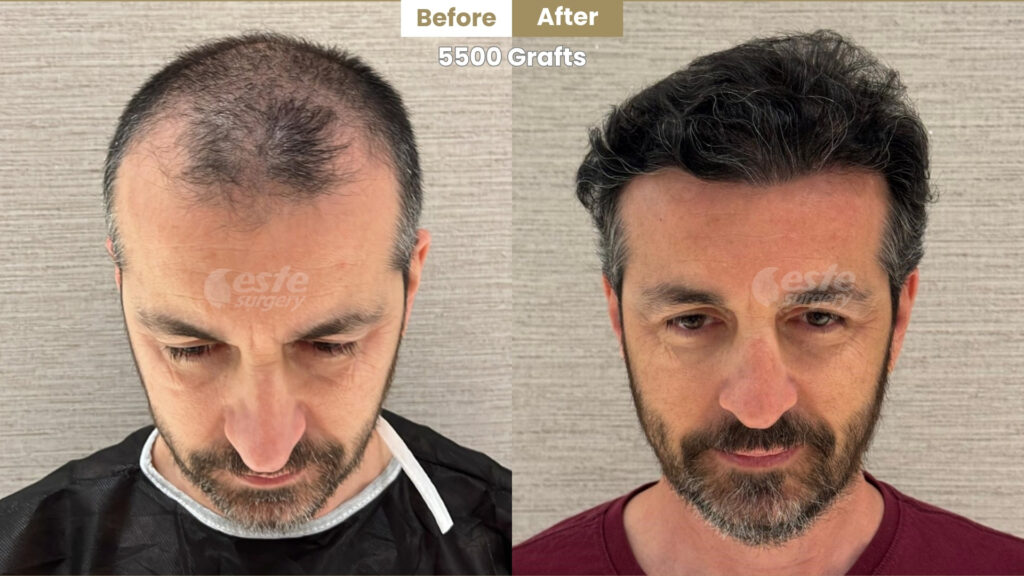
We combine advanced technology and meticulous surgical planning to achieve natural hairlines, balanced density, and long-lasting results. From initial consultation to final post-operation care, our international patients support team provides comprehensive support. We ensure a smooth treatment process through the ‘Turkey Hair Transplant Package’.
Whether you choose DHI, Sapphire FUE, or SDHI, our main goal is natural, healthy, lasting results. These results will enhance your look and help you stand out.
Frequently Asked Questions About DHI Hair Transplant
You can find some of the most frequently asked questions about DHI Hair Transplant below. If you have further questions, please do not hesitate to contact us.
Do scars remain after DHI hair transplantation?
Not always. One good thing about DHI is that it doesn’t require a lot of shaving, which is great for women.
Is DHI hair transplant better than FUE?
We can’t say that one technique is unconditionally better. The most suitable method depends on the type of hair loss of the individual, donor area condition and the goal of the treatment.
How long does the process take?
It can take anywhere from 6 to 10 hours, depending on how many grafts there are.
Is DHI also suitable for women?
Yes. DHI is often an excellent option for women because it is capable of precise transplantation and minimal hair clipping can be sufficient depending on the treatment plan.
How long does recovery time take?
Most patients can return to daily life within a few days, and it takes averagely 12 months for hair to grow fully.
How long does the DHI hair transplant effect last?
Transplanted hair follicles are usually permanent and continue to grow naturally for many years if appropriate post-mortem care and medical advice is followed.
How long does the process take?
Hair transplant with DHI technique takes around 7 hours in average. This may slightly change depending on how many grafts you need.
Can FUT Hair Transplant also be combined with DHI?
Technically yes. But we do not perform FUT hair transplants anymore. FUE is a more comfortable technique both for the patient and the surgeon. FUE offers more natural looking results.
Este Surgery Clinic Gallery